
Why we are turning a 1996 Volvo Berkhof coach into a motorhome
6 Листопада, 2026
When people hear “motorhome”, they almost always picture a van. We took a different road and chose a 1996 Volvo Berkhof touring coach. Here is why, and an honest look at the downsides.
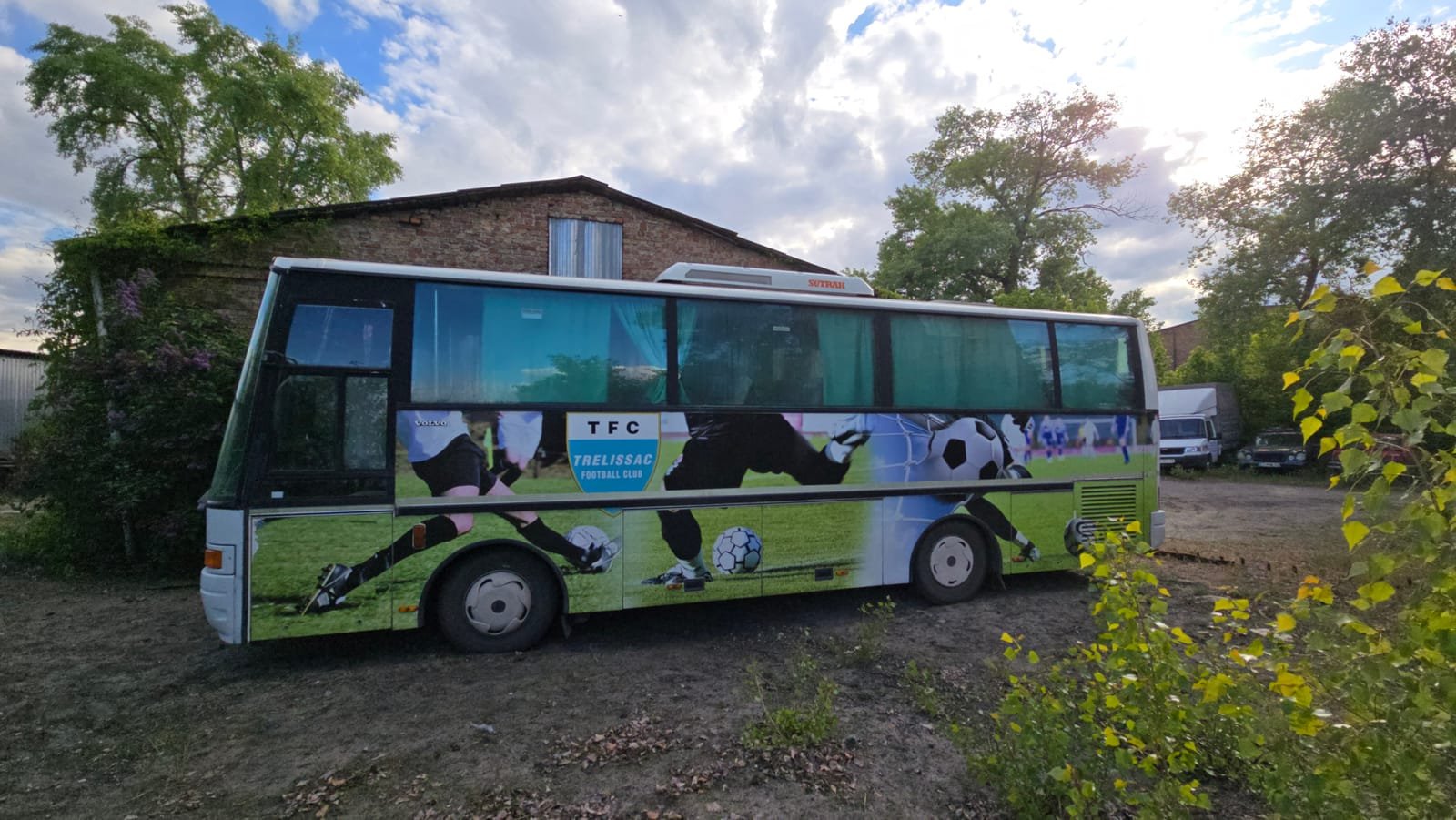
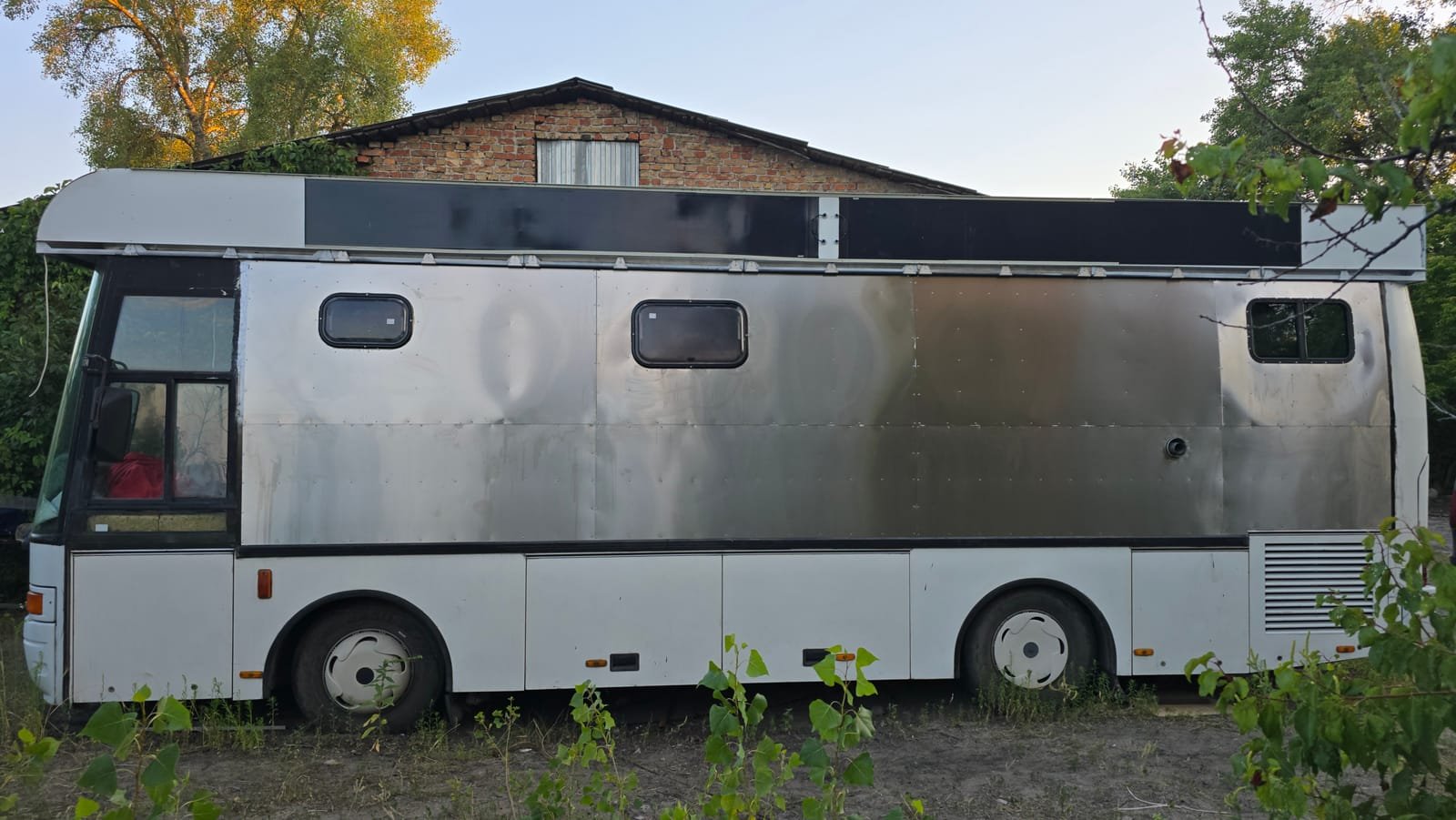
The space a van cannot give
In a van, every centimetre is a compromise: the bedroom becomes the dining room, the dining room becomes the office. In a big coach you can create real zones: a sleeping area, a kitchen, a work corner and a technical bay. For long trips and life on the road this is not a luxury but psychological comfort.
Room for power and equipment
Our idea is a self-sufficient home: a BMS-protected battery system, an inverter, a backup generator and monitoring. This equipment is heavy and takes space. A touring coach has luggage bays and a strong frame where it can all be placed sensibly instead of being squeezed into the cabin.
A strong base with road history
Touring coaches are built for high mileage and regular servicing. When the chassis and body are simple and sturdy, the conversion can focus on comfort and autonomy instead of fighting the base. Of course, 1996 means age, so the body, frame and units need careful inspection and maintenance.
Honest downsides
- Size. A coach is harder to manoeuvre and park, and does not fit everywhere.
- Fuel consumption. A large mass means higher running costs.
- Paperwork. Registration rules and licence categories depend on the country and the type of conversion; study them before starting.
- Amount of work. Rebuilding a large cabin takes longer and costs more than fitting out a van.
Why we still chose a coach
Because we are not building just a “holiday vehicle” but a home where one can live and work, with its own power system and smart control. For such a task, space and a reserve of strength matter more than manoeuvrability. How the local AI agent works in this home is described on the project page and in the next blog article.